
Most contractors track leads — but very few truly know which lead sources are generating real, profitable revenue. They see hundreds of leads coming in from Google Ads, Facebook, HomeAdvisor, their website, or referrals, yet struggle to answer one critical question: “Which sources are actually making me money?”
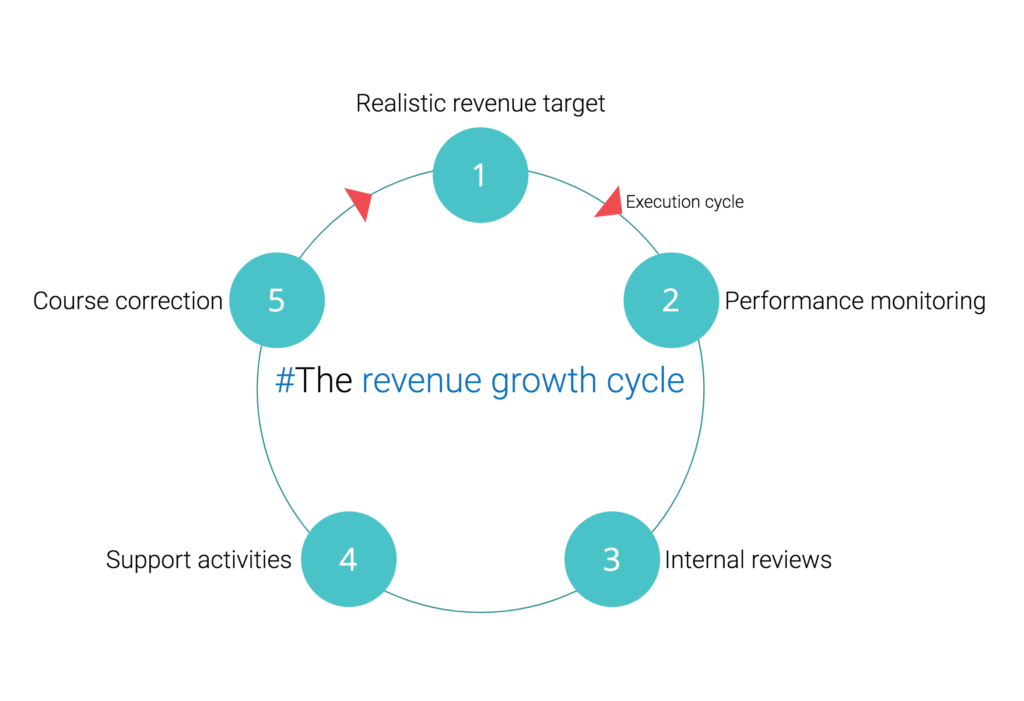
At DataDrivenHQ, we help roofing, remodeling, HVAC, plumbing, and home improvement companies turn raw lead data into clear, revenue-focused insights. Our clients routinely discover that 30–60% of their “best” lead sources are actually losing money once sales cycle, job size, and collection rates are factored in.
This article explains what lead source analytics really means, why it’s essential in 2026, and how the right system can dramatically improve your marketing ROI and bottom line.
The Problem with Traditional Lead Tracking
Most contractors use basic CRM notes or spreadsheets that only show:
- Number of leads per source
- Cost per lead
- Basic conversion rate to appointment
This approach is dangerously incomplete. It ignores the factors that actually impact profitability:
- Different lead sources produce vastly different average job sizes
- Some sources have much higher no-show or cancellation rates
- Closing percentages vary significantly by source
- Collection rates and payment terms differ by channel
- Lifetime customer value varies dramatically
Without full-funnel analytics, you can easily spend thousands on leads that look good on the surface but deliver poor returns.
What True Lead Source Analytics Includes
Effective lead source analytics tracks every lead from first click or call all the way to paid invoice. Key metrics include:
1. Revenue Attribution
- Exact revenue generated by each source (not just leads)
- Average job value per source
- Total revenue and gross profit per channel
2. Cost vs. Return Analysis
- True cost per acquisition (CPA)
- Return on ad spend (ROAS)
- Marketing cost as percentage of revenue
3. Quality & Efficiency Metrics
- Appointment show-up rate
- Sales closing ratio
- Average sales cycle length
- Cancellation / rescission rate
- Customer lifetime value by source
4. Trend Analysis Over Time
- Seasonal performance
- Changes after campaign adjustments
- Impact of economic shifts
Real-World Insights Our Clients Discovered
After implementing DataDrivenHQ’s lead source analytics, contractors frequently uncover eye-opening truths:
- Google Ads had the highest cost per lead but delivered the largest average job size and best closing ratio
- Facebook leads were cheap but had high cancellation rates and smaller projects
- Referral and past-customer leads had the highest ROI but were under-invested
- HomeAdvisor/Angi leads looked expensive but performed well for emergency service companies
- Website SEO leads had the longest sales cycle but highest lifetime value
One roofing contractor in California found they were spending $18,000/month on a lead source that produced only $9,400 in actual collected revenue. After shifting budget based on real analytics, their overall marketing ROI improved by 87% in just 90 days.
How DataDrivenHQ Makes Lead Source Analytics Simple and Powerful
We built our platform specifically for home service and construction businesses. Here’s what sets us apart:
- Automatic Tracking — Integrates with Google Ads, Facebook, Bing, your website forms, call tracking, and more
- Real-Time Dashboards — See exactly what’s driving revenue today, not last month
- Custom Attribution Models — First-click, last-click, or multi-touch — you choose
- Closed-Loop Reporting — Connects marketing data directly to your job costing and accounting
- Easy-to-Understand Reports — Designed for owners and marketing managers, not data scientists
We don’t just show you data — we help you understand what it means and how to act on it every week.
Key Benefits of Proper Lead Source Analytics
- Stop wasting money on underperforming lead sources
- Double down on what actually works
- Improve sales team focus and training
- Make smarter marketing budget decisions
- Increase overall profitability and cash flow
- Identify opportunities to generate more high-value leads
Businesses using advanced lead source analytics typically see 25–45% improvement in marketing efficiency within the first 6 months.
Getting Started with Lead Source Analytics
The best time to implement proper tracking is now — before you waste another month on mediocre lead sources.
DataDrivenHQ offers a simple onboarding process:
- Free lead source audit of your current data
- Personalized demo showing your actual numbers
- Fast setup and integration (usually under 2 weeks)
- Ongoing support and monthly strategy reviews
Frequently Asked Questions
How accurate is lead source tracking? With proper setup (call tracking, UTM parameters, CRM integration), we achieve 95%+ attribution accuracy.
Can it work with my existing CRM? Yes. We integrate with ServiceTitan, JobNimbus, Salesforce, Housecall Pro, and most other popular systems.
Is this only for large companies? No. Many of our most successful clients are 5–15 truck operations that want to grow profitably.
How soon will I see results? Most clients identify actionable insights within the first 30 days.
Stop Guessing. Start Knowing What’s Driving Revenue.
In today’s competitive market, guessing where to spend your marketing dollars is too expensive. True lead source analytics gives you the clarity to make confident, profitable decisions every month.
Ready to see exactly what’s driving your revenue?
Email us at help@datadrivenhq.com or call +1 (442) 257-9401 today.
Visit DataDrivenHQ.com or connect with us on LinkedIn and Facebook for more insights.
Let us show you which lead sources are truly growing your business — and which ones are quietly costing you money.